
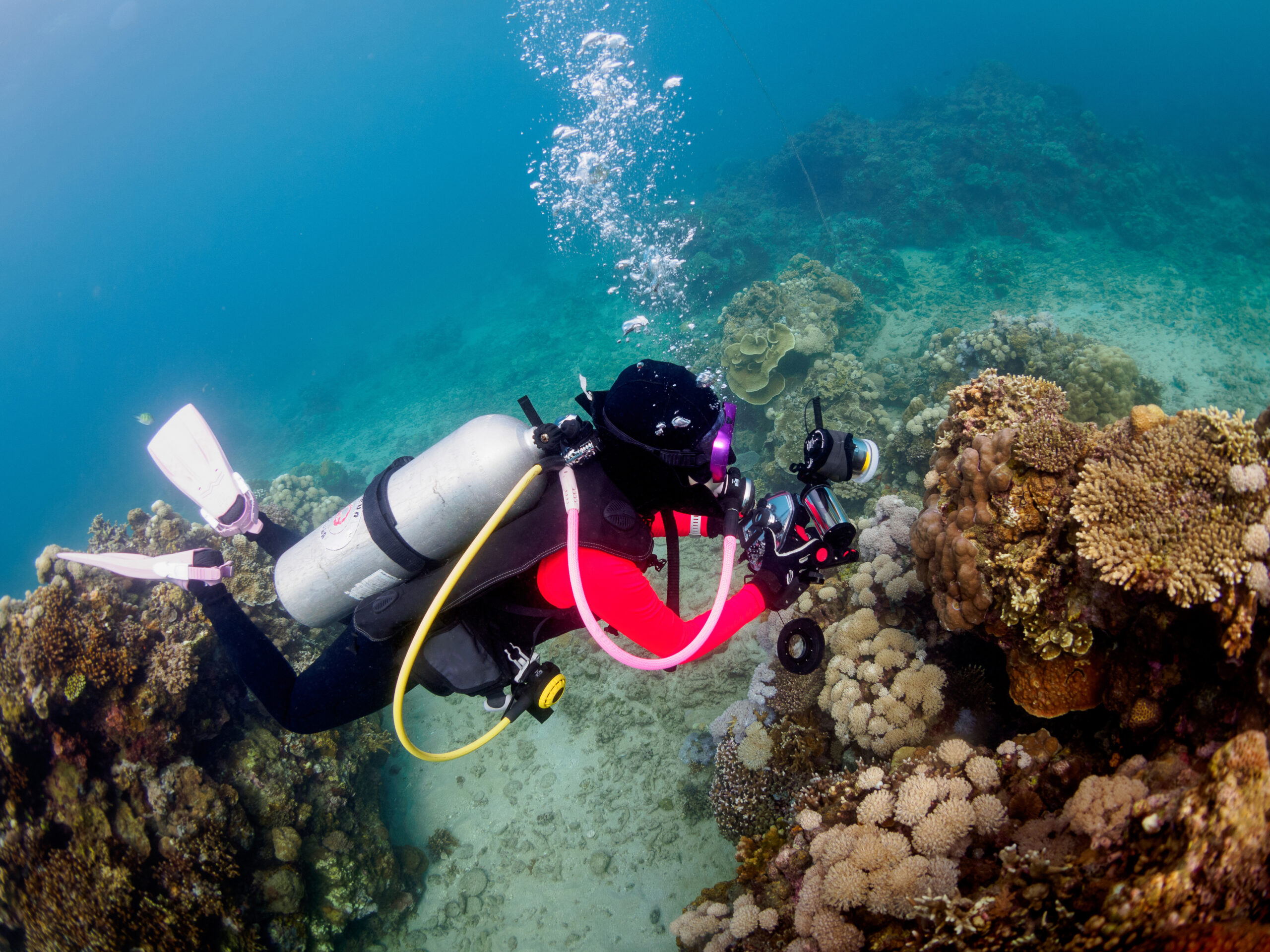
Diving in Placencia: Underwater Photography Tips
Placencia, Belize, is a diver’s haven, renowned for its access to the world’s second-largest barrier reef and a vibrant underwater world teeming with marine life. For those who wish to capture these breathtaking scenes, here are some tips for diving in Placencia. Whether you’re a novice photographer or an experienced diver, these practical tips will help you create striking images that showcase the beauty of Placencia’s underwater wonders.
1. Know Your Equipment
Before you dive into the crystal-clear waters of Placencia, ensure you are familiar with your underwater photography gear. Whether using a simple waterproof action camera or a professional DSLR with an underwater housing, understanding how to operate your camera’s settings is crucial. Spend time experimenting with:
- Manual settings: Adjusting aperture, shutter speed, and ISO can drastically improve your photos.
- White balance: Adjusting for underwater lighting conditions will help maintain true-to-life colors.
- External strobes and lights: These are essential for bringing out the rich colors that are often lost as you descend.
2. Perfect Your Buoyancy
Maintaining neutral buoyancy is critical for capturing clear, sharp images without disturbing the marine life or stirring up sediment. Poor buoyancy control can lead to blurry images or scare away the very creatures you want to photograph. Practice hovering in place and controlling your movements using breath control. This skill not only helps you achieve the best angle for your shots but also minimizes the impact on the underwater environment.
3. Use Natural Light to Your Advantage
Placencia’s clear, warm waters provide excellent visibility, but light behaves differently underwater. Colors begin to fade at depths as shallow as 10 feet, with reds and oranges disappearing first. To maximize natural light:
- Shoot in shallow waters during peak daylight hours to capture brighter and more vibrant images.
- Keep the sun behind you for better illumination, avoiding direct glare or shadows.
- Avoid overexposure by adjusting the camera settings as needed.
4. Get Close and Stay Low
Water reduces contrast and sharpness, so the closer you are to your subject, the clearer your photos will be. Aim to shoot within 12 inches (30 cm) of your subject whenever possible. Additionally, positioning yourself lower than your subject and shooting upward creates a more dramatic and natural perspective. This angle also allows light to illuminate your subject better, showcasing vibrant colors and textures.
5. Composition is Key
The rules of composition apply underwater just as they do on land. Keep these guidelines in mind:
- Rule of Thirds: Position your subject slightly off-center to create a balanced and visually appealing shot.
- Framing: Use natural elements like coral or rock formations to frame your subject and add depth to your image.
- Negative Space: Utilize open water or sandy areas to emphasize your main subject and prevent a cluttered look.
6. Be Patient and Respect Marine Life
One of the greatest joys of underwater photography in Placencia is encountering diverse marine life, from the playful parrotfish to the majestic rays gliding along the seafloor. Practice patience and remain calm when observing these creatures. Quick, sudden movements may startle them, leading to missed photographic opportunities. Remember to respect their space and avoid touching or harassing marine life.
7. Experiment with Different Lenses and Filters
Wide-angle lenses and macro lenses are perfect for underwater photography. A wide-angle lens allows you to capture sweeping scenes of coral gardens or schools of fish, while a macro lens is ideal for close-ups of smaller sea creatures like nudibranchs and seahorses. Additionally, using a red filter can help restore colors that are lost at depth, creating richer and more accurate images.
8. Edit Thoughtfully
Post-processing is an essential step in underwater photography. Editing software like Adobe Lightroom or Photoshop can help you enhance your images, adjusting the exposure, contrast, and white balance to bring out the true beauty of the scene. Just be cautious not to over-edit. Aim for a natural look that reflects the authenticity of the underwater world. If you do this right, you can actually make money from underwater photography by selling the photos
Whether you’re snapping photos of rainbow-colored coral, inquisitive turtles, or glistening schools of fish, each dive will present you with unique opportunities to grow as an underwater photographer.
So, grab your camera, take a deep breath, and plunge into the beauty of Placencia’s underwater world – memories (and photos) await!

